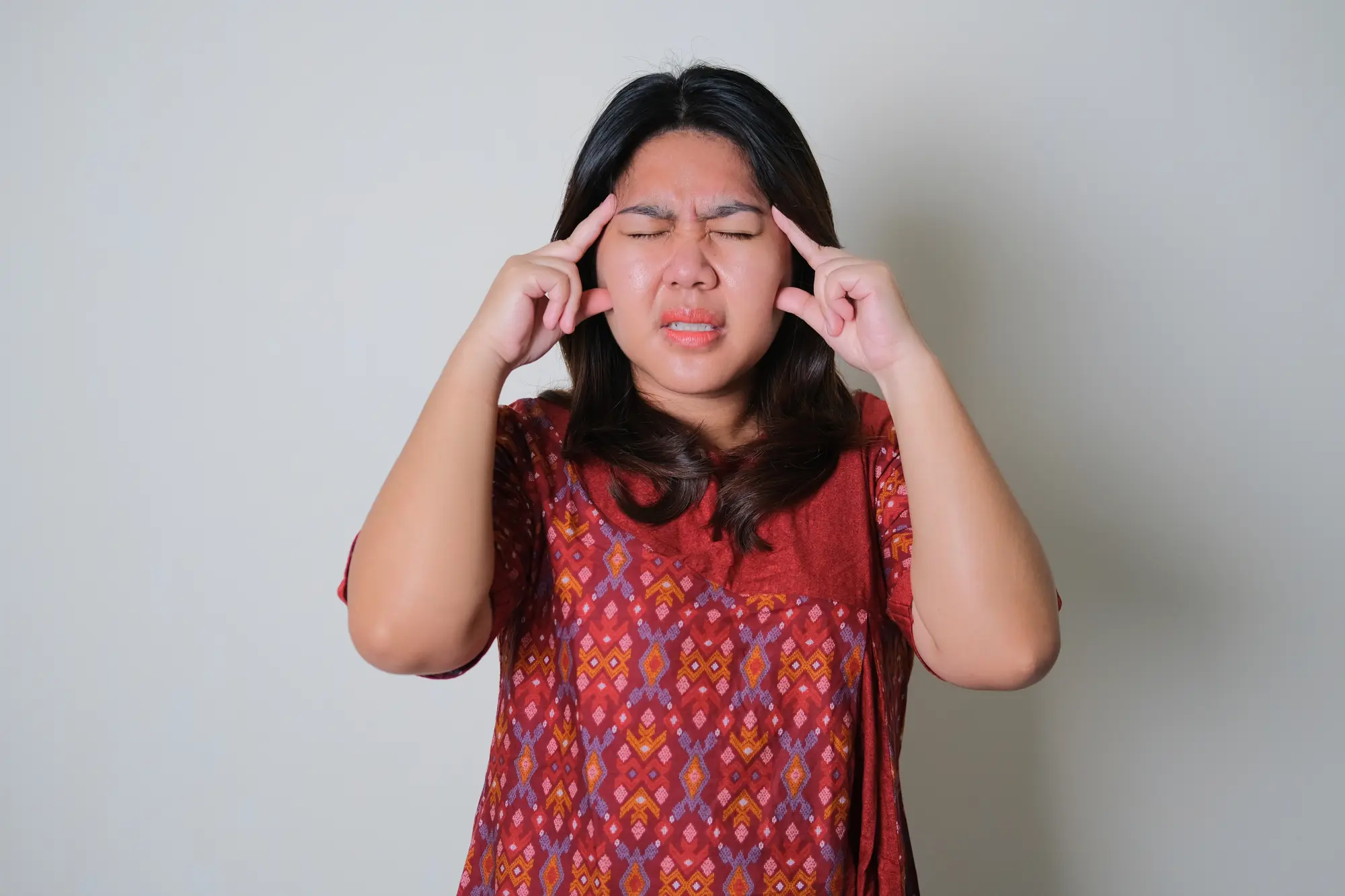
How to Tell If You Have a Migraine or a Tension Headache
Headaches can be a real pain, quite literally, disrupting your day and affecting your overall quality of life. But not all headaches are created equal. Understanding the difference between a migraine and a tension headache is crucial for effective treatment and relief.
Migraines and tension headaches have distinct characteristics, triggers, and treatments. In this blog, we'll explore these differences to help you identify which type of headache you might be experiencing and how you can find relief.
Understanding Migraine Headaches
Migraines are more than just severe headaches; they are a neurological condition that can cause intense, throbbing pain, usually on one side of the head. They can last from a few hours to several days and are often accompanied by other symptoms. Key indicators of migraines include:
- Sensitivity to light and sound
- Nausea and vomiting
- Visual disturbances or auras
- Throbbing or pulsing pain
These symptoms can significantly impact your daily activities, making it essential to seek appropriate treatment and management strategies.
Identifying Tension Headaches
Tension headaches are the most common type of headache and are often described as a constant ache or pressure around the head, especially at the temples or the back of the head and neck. Unlike migraines, they are not usually associated with nausea or visual disturbances. Key features of tension headaches include:
- Dull, aching head pain
- Tightness or pressure across the forehead or on the sides and back of the head
- Tenderness on the scalp, neck, and shoulder muscles
While tension headaches can be uncomfortable, they are typically less severe than migraines and can often be managed with lifestyle changes and over-the-counter medications.
Triggers and Prevention Tips
Both migraines and tension headaches can be triggered by various factors, and identifying these triggers is vital for prevention. Common triggers include:
- Stress and anxiety
- Poor posture or prolonged screen time
- Dehydration and skipped meals
- Changes in sleep patterns
To prevent headaches, consider adopting a healthy lifestyle that includes regular exercise, a balanced diet, adequate hydration, and stress management techniques such as yoga or meditation.
Treatment Options
Treatment for migraines and tension headaches varies based on the severity and frequency of the headaches. Over-the-counter pain relievers such as ibuprofen or acetaminophen can be effective for tension headaches. For migraines, prescription medications may be necessary to alleviate symptoms and prevent future attacks.
Additionally, alternative therapies such as acupuncture, biofeedback, and cognitive-behavioral therapy have shown promise in managing headache symptoms. Consulting with a healthcare professional is crucial for developing a personalized treatment plan that addresses your specific needs and lifestyle.
Find Relief at The Head Pain Center in Roseville, CA
If you're struggling with frequent headaches and are unsure whether you're experiencing migraines or tension headaches, it's time to seek professional help. At The Head Pain Center in Roseville, CA, Dr. Mohd Khalaf and his team are dedicated to providing personalized care and effective treatment options to help you find relief. Don't let headaches control your life—call us today at (916) 860-1661 to schedule an appointment and start your journey toward a pain-free life.
