The TMJ-Tinnitus Connection: Why Your Jaw Might Be Causing Ear Ringing
Do you experience a persistent ringing, buzzing, or hissing sound in your ears that just won’t go away? If so, you're not alone, and the issue may not be originating from your ears at all. Many patients are surprised to learn that a hidden culprit could be their jaw.
More specifically, issues with the temporomandibular joint (TMJ) can be a major contributing factor to tinnitus. If you’ve been searching for answers and relief, understanding the TMJ-tinnitus connection could be the turning point toward reclaiming your peace of mind.
How Your Jaw and Ears Are Closely Connected
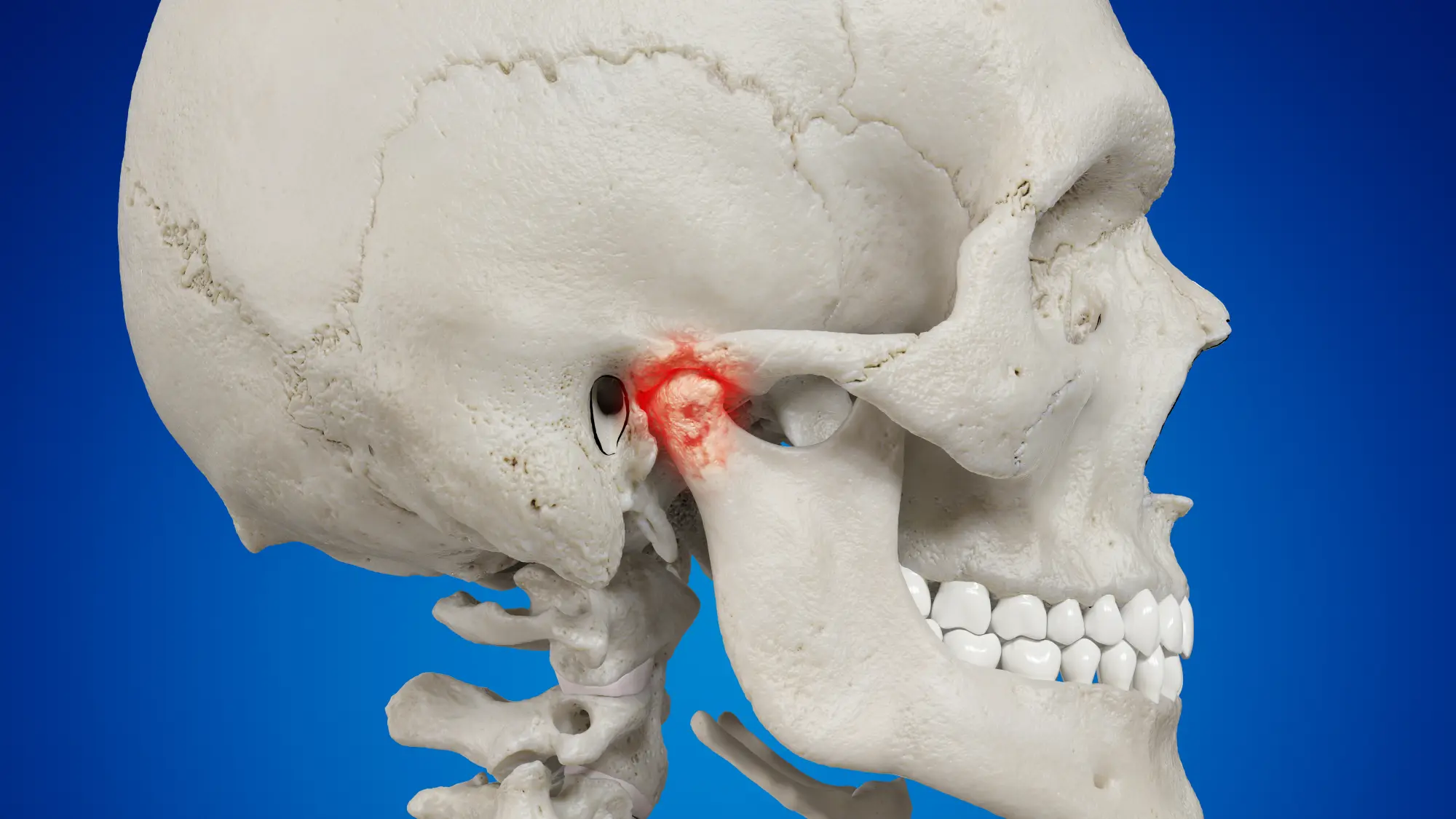
The temporomandibular joint is the hinge that connects your jaw to the base of your skull. Located just in front of the ears, this joint plays an essential role in talking, chewing, and even breathing. Its close anatomical proximity to the inner ear means that dysfunction in the TMJ can directly affect ear function, leading to symptoms like tinnitus (ringing or buzzing sounds without an external source).
What many don't realize is that TMJ disorder, often referred to as TMD, can create a cascade of muscular and nerve irritation that impacts ear health. This unique overlap is why so many individuals with chronic tinnitus also report jaw pain, clicking, or restricted movement.
Understanding Tinnitus: More Than Just a Sound
Tinnitus is more than a minor annoyance. It can severely interrupt day-to-day life, affecting focus, sleep, and psychological well-being. It is estimated by the CDC that over 25 million Americans experience tinnitus that lasts more than five minutes at a time. For some, this noise is occasional. For others, it’s a constant companion. Common symptoms include:
- Ringing, buzzing, or humming in one or both ears
- Sensitivity to sound or ear fullness
- Difficulty concentrating or sleeping
- Headaches or neck tension
While tinnitus can stem from hearing loss, nerve conditions, or medication side effects, TMJ-related tinnitus is often overlooked, even by experienced healthcare providers.
How TMJ Disorder Can Trigger Tinnitus
When the TMJ is misaligned or inflamed, the surrounding muscles and ligaments can press on or irritate nearby cranial nerves, especially the trigeminal and auditory nerves. This irritation can lead to tinnitus-like symptoms due to overstimulation or miscommunication between the jaw and ear structures. Contributing factors to TMJ-related tinnitus may include:
- Teeth grinding or clenching (bruxism)
- Jaw misalignment or bite issues
- Chronic stress leading to jaw tension
- Past facial or dental injuries
Signs Your Tinnitus May Be Linked to TMJ
Not all tinnitus is TMJ-related, but if you’re also experiencing any of the following, there’s a strong chance your symptoms are connected:
- Jaw pain or stiffness, especially in the mornings
- Clicking, popping, or grinding sounds when opening your mouth
- Facial or neck muscle tension
- Changes in tinnitus when eating, yawning, or moving your jaw
Getting an Accurate Diagnosis
Because TMJ-tinnitus overlap straddles both dental and neurological spheres, diagnosis requires specialized evaluation. At The Head Pain Center in Roseville, CA, board-certified orofacial pain specialist Dr. Mohd Khalaf leads a compassionate team dedicated to addressing such complex head and facial disorders.
Dr. Khalaf’s decades of clinical and academic expertise, recognized by his fellowship in the American Academy of Orofacial Pain (AAOP), allow him to take a uniquely comprehensive approach to diagnosis. Using advanced imaging, muscle assessments, and collaborative input from sleep physicians and ENT specialists, each patient receives a thoroughly tailored treatment plan.
Effective TMJ Treatment Can Alleviate Tinnitus
Once a TMJ-tinnitus connection is identified, targeted treatment may provide lasting relief, not only for jaw pain but for the ear ringing, too. Some of the non-invasive strategies offered at The Head Pain Center include:
- Custom oral appliance therapy to stabilize the jaw and reduce nighttime clenching
- Physical therapy and targeted jaw exercises to release tension
- Trigger point injections for muscle pain and inflammation reduction
- Collaborative care with sleep physicians to manage contributing sleep apnea
- Behavioral strategies for stress management and pain coping
Because every patient’s experience is different, our treatments are designed to adapt over time, ensuring the return of functionality, better sleep, and a significant reduction in tinnitus symptoms. Many have found that by treating their TMJ disorder, the unwanted ringing fades, offering both relief and hope.
A Patient-First Approach to Long-Term Relief
At The Head Pain Center, we understand the emotional toll of chronic ear ringing and orofacial discomfort. Patient testimonials routinely highlight the compassionate care, individualized attention, and seamless support our team offers from the first call to follow-up visits. It’s this patient-centered approach, paired with substantial clinical acumen, that sets our Roseville practice apart.
Even if you’ve seen multiple doctors or tried different tinnitus therapies with little success, we encourage you not to lose hope. Many patients have finally found clarity and comfort through TMJ-focused treatment when every other door seemed closed.
Start Your Path to Silence and Relief
If you're struggling with persistent ear ringing and suspect your jaw might be playing a role, don’t wait for the problem to worsen. The TMJ-tinnitus connection is real, and potentially reversible. Let Dr. Mohd Khalaf and the dedicated team at The Head Pain Center help you uncover the root of your symptoms and guide you toward real, sustainable relief.
Call today at (916) 860-1661 to schedule your comprehensive evaluation at our Roseville, CA office. Relief doesn’t start with noise-canceling headphones, it starts with understanding and expert care.
